
In a landscape where efficiency, accuracy, and accountability are paramount, a robust purchase order system can be a game changer for businesses of all sizes. Whether you are a small firm or a large corporation, the right software for purchase orders can streamline your procurement process, reduce errors, and ensure that you always stay within budget. As more organisations transition to digital solutions, the demand for sophisticated purchase order management software has surged, making it essential to understand the critical features that differentiate top-notch systems from the rest.
A well-designed electronic purchase order system can enhance visibility across departments, facilitate better decision-making, and promote a collaborative environment among stakeholders. Yet, with myriad options available on the market—often branded as purchase orders software or cloud purchase order systems—determining which one aligns best with your needs can be daunting. Here, we delve into the key features to consider when choosing a leading purchase order system in the UK.
User-Friendly Interface
One of the most fundamental aspects of any software is its usability. A user-friendly interface is critical for ensuring swift adoption across your organisation. Purchase order systems should allow users of varying technical expertise to navigate the platform effortlessly. Look for intuitive dashboards that display relevant metrics at a glance, as well as streamlined processes for creating, approving, and tracking purchase orders. An electronic purchase order system that is cumbersome can lead to mistakes and frustration, thereby negating the benefits of automation.
Integration Capabilities
In today’s interconnected business environment, no software solution operates in a vacuum. The ability to seamlessly integrate with your existing systems such as ERP (Enterprise Resource Planning), accounting software, and inventory management platforms is crucial. A sophisticated purchase order management software should not only facilitate data sharing but also enhance workflows across departments. When evaluating purchase order systems, inquire about API (Application Programming Interface) capabilities and the ease of integrating with third-party applications.
FAQ: Purchase Order System
What is a purchase order system?
A purchase order system is a tool or process that organisations use to manage and track the purchasing of goods and services. It helps streamline procurement by creating, approving, and tracking purchase orders electronically.
Why should my business use a purchase order system?
Using a purchase order system can enhance efficiency in your procurement process, improve accuracy in orders, minimise errors, provide better budgeting control, and establish clear communication with vendors.
How does a purchase order system work?
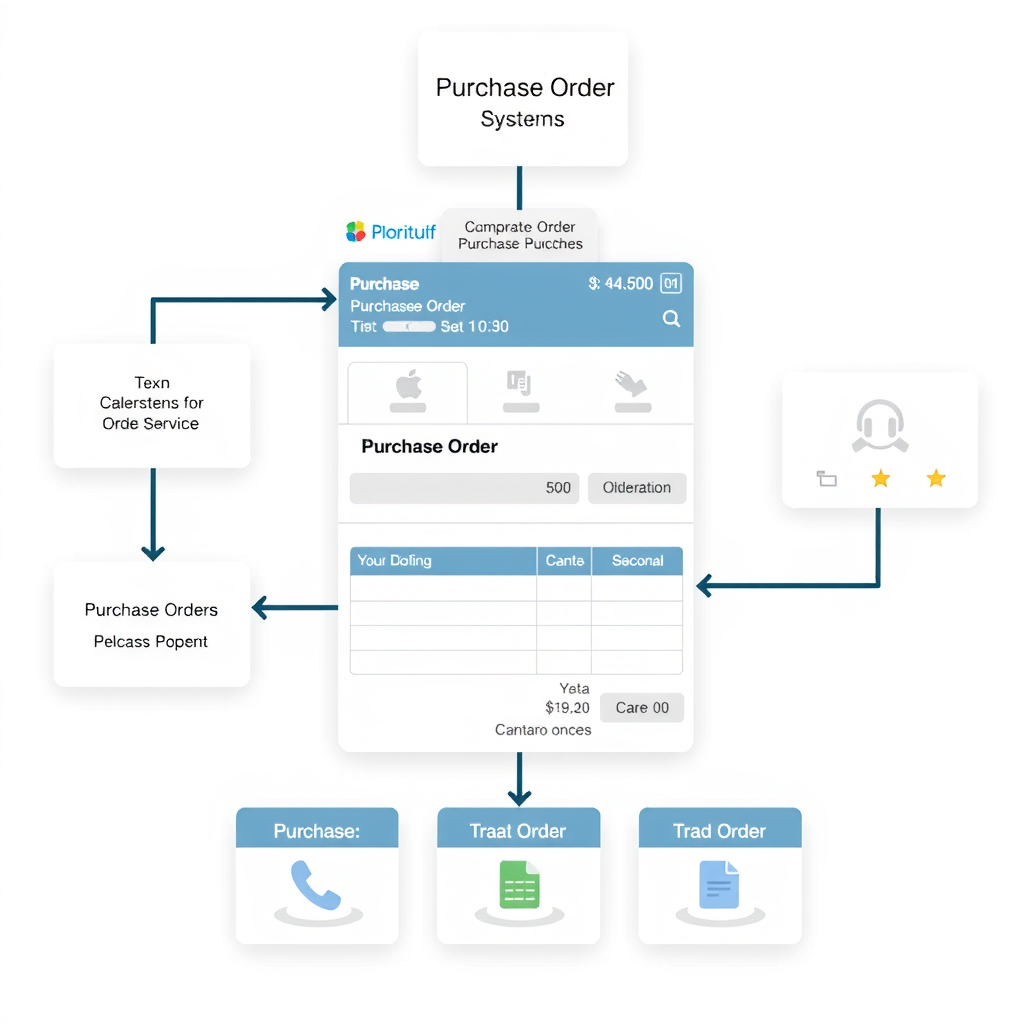
A typical purchase order system allows users to create electronic purchase orders that detail the items being ordered, quantities needed, delivery dates, and pricing. These orders are then sent to suppliers for approval. Once received, the status of each order can be tracked until it is fulfilled.
What benefits does a purchase order system offer?
Some key benefits of implementing a purchase order system include:
- Improved budget management
- Better inventory control
- Enhanced supplier relationships
- Streamlined approval processes
- Automation of repetitive tasks
Can I integrate a purchase order system with other software solutions?
Yes! Many modern purchase order systems offer integration capabilities with other software solutions such as accounting software (like QuickBooks), ERP systems (like SAP), or inventory management tools to create an efficient workflow across different business functions.
Is training required to use a purchase order system?
Most businesses will require some level of training for their employees when implementing new software. However, many user-friendly systems come with help resources like tutorials and customer support that simplify the learning process.
How do I choose the right purchase order system for my business?
When choosing the right solution for your needs consider factors like:
- The size of your organisation
- Your budget
- Specific features you need (integration capabilities, reporting tools)
- User-friendliness
- Customer support options
Are there any costs associated with implementing a new purchasing system?
Yes! Costs may include subscription fees for cloud-based solutions or initial setup costs for on-premise systems. Additional expenses might arise from training staff or integrating other existing tools.
How can I ensure compliance using my purchasing process?
To ensure compliance within your purchasing process using a PO System:
- Enforce standardised procedures.
- Create appropriate approval workflows.
- Maintain accurate records.
- Conduct regular audits by leveraging built-in reporting features provided by most systems.
If you have more questions regarding our Purchase Order System offerings or need personalised assistance based on your unique requirements please contact us directly!
Comprehensive Reporting and Analytics
Data is an invaluable asset for any business. A top-notch purchase order system should offer robust reporting and analytics tools to help you gain insights into your purchasing behaviour, supplier performance, and budget adherence. The ability to generate real-time reports can facilitate strategic decision-making by providing visibility into key KPIs (Key Performance Indicators). Look for software that enables you to customise reports according to your specific business requirements to further enhance the value it brings.
Approval Workflow and Authorisation Controls
A well-structured approval workflow is vital for maintaining financial control and compliance. Your chosen purchase order system should have built-in mechanisms for approval processes that allow you to define who can initiate, approve, or deny requests. Authorisation controls can significantly reduce the risk of fraudulent activities and unauthorised spending. Ensure that the software for purchase orders offers configurable workflows to align with your organisation’s hierarchies and protocols.
Supplier Management Features
Effective supplier management is central to maximising the value of your procurement processes. A high-quality purchase order system should enable you to maintain comprehensive supplier records, track supplier performance, and evaluate compliance with contractual terms. Features such as supplier ratings, historical performance data, and communication logs can empower your procurement team to make informed decisions, negotiate better terms, and foster stronger relationships with suppliers.
Budget Management Capabilities
Staying within budget is an ongoing challenge for many organisations. Look for purchase order management software that includes budget management features, such as cost tracking and budget forecasting. These capabilities will help you monitor spending in real-time, enabling your team to identify potential overruns before they escalate. With a cloud purchase order system, you can streamline budget approvals, making financial oversight less cumbersome.
Mobile Compatibility
As businesses become more mobile-oriented, having a purchase order system that is accessible on various devices is increasingly important. A mobile-compatible electronic purchase order system allows your team to create, approve, or track purchase orders on the go. This flexibility not only improves productivity but also ensures that critical decisions can be made promptly, regardless of location.
Security Features
In an age where data breaches are commonplace, robust security measures are non-negotiable. Ensure that the purchase order systems you are considering provide advanced security features, such as data encryption, user authentication, and role-based access controls. These measures will help safeguard sensitive information and maintain compliance with regulations, such as GDPR (General Data Protection Regulation).
Cloud-Based Solutions
Finally, consider opting for a cloud purchase order system over traditional on-premise solutions. Cloud-based software offers a host of benefits, including easier access to data, lower initial investment costs, and automatic updates. Additionally, cloud solutions generally provide better scalability options, allowing you to adapt to changing business needs without the hassles associated with hardware upgrades or software installations.
As you embark on the journey of selecting a purchase order system, keep these features in mind to ensure you invest in software that not only meets your current requirements but also supports your organisation’s growth for years to come. Explore various vendors and request demonstrations to evaluate how well each system aligns with your operational goals.
A robust purchase order system is essential for streamlining your procurement process and enhancing efficiency within your business. By implementing a reliable solution, you can manage orders, track expenses, and maintain better supplier relationships. Discover the benefits of a powerful purchase order system by visiting https://cloudb2b.co.uk/. With the right tools, you can ensure accurate order processing and improved financial oversight, ultimately driving your business’s success.