
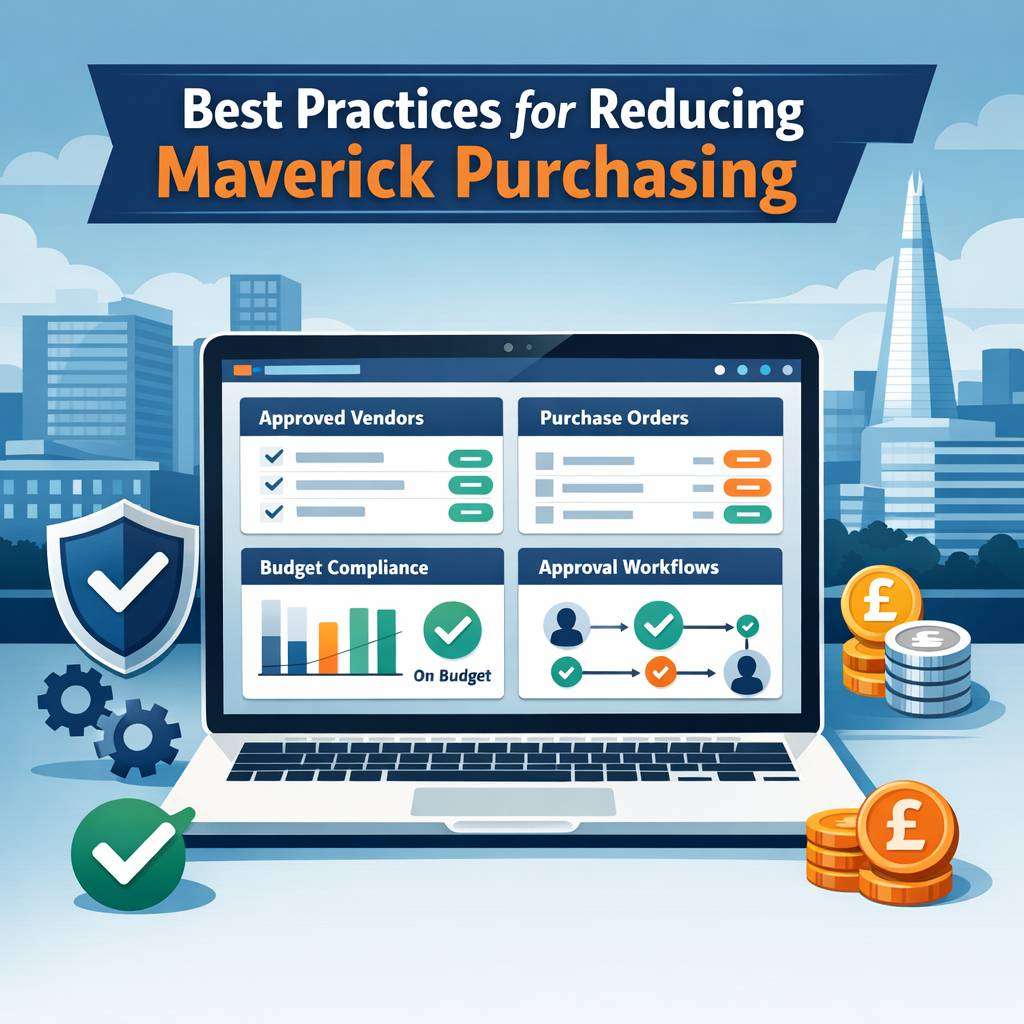
Maverick purchasing—where staff bypass approved suppliers, terms, or processes—can erode control, inflate costs, and complicate supplier management. For organisations seeking to restore governance without encumbering teams, a robust purchase ordering system is essential. This post outlines practical, expert strategies to optimise purchase order management software adoption, align procurement with policy, and reduce maverick purchasing across the organisation.
Adopting a cloud based purchase order software solution can transform how teams request, approve, and track orders. When the right system is implemented, purchase orders become data-driven, auditable, and easy to integrate with accounts payable. This post discusses best practices for selecting, deploying, and governing a purchase ordering system that drives compliance, improves visibility, and delivers tangible cost savings.
What to look for in a modern purchase ordering system
User-friendly interfaceA straightforward online purchase order system reduces friction for end users. Look for intuitive PO templates, mobile access, and guided workflows that steer requisitions toward approved vendors and terms. A system with clearly defined fields—cost centre, project code, procurement type, and approval hierarchy—helps standardise every request.
Policy-driven workflowsThe best po system enforces policy at the point of initiation. Configurable approval chains, spend thresholds, and mandatory field completion ensure requests align with procurement rules. Cloud based purchase order software often supports dynamic routing based on supplier, category, or project, so employees automatically receive the correct approvals without delays.
Supplier and contract alignmentA strong system integrates with supplier data and contract terms to prevent maverick purchasing. It should flag when a request is placed with a non-approved supplier or outside contract terms, and nudge the user toward preferred vendors. Robust supplier master data and contract Management within the po system underpin reliable sourcing and pricing.
Spend visibility and analyticsEffective purchase order management software provides real-time spend dashboards, overdue orders, and variance reporting. organisations benefit from drill-down analytics by department, category, and supplier. This visibility helps procurement teams identify patterns leading to maverick buying and address root causes.
Automation and integrationCloud based purchase order software shines when it integrates with ERP, accounting, and inventory management. Automatic PO generation from requisitions, PO acknowledgements, and one-click invoice matching reduce manual touchpoints, speed up processing, and minimise manual errors that create compliance gaps.
Governance and control features
Spend controlsEstablish clear spend controls by policy and role. Implement spend ceilings, mandatory approvals for high-value items, and pre-approval requirements for certain categories. Enforce capex vs opex distinctions to prevent misclassification and uncontrolled spending.
ROA and supplier complianceRegularly review supplier performance and contract conformance. The system should support supplier prequalification, automatic flagging of non-compliant vendors, and periodic revalidation. This keeps maverick purchasing in check and strengthens supplier relationships.
Change control and auditabilityMaintain an immutable trail of requests, changes, approvals, and amendments. Auditability is critical for regulatory compliance and internal governance. Ensure every action is timestamped and attributed to a user, with exportable reports for internal or external audits.
Process standardisation
Defined requisition-to-po purchase workflowA well-mapped process—from requisition, through approval, to PO creation and goods receipt—reduces variability. Standard templates and procurement categories create consistency, making it easier to enforce policy and reduce rogue purchases.
Clear authorisation matrixDocument who can approve what, at what spend level, and for which categories. A transparent authorisation matrix eliminates ambiguity and reduces bottlenecks that might tempt bypassing the system.
Required fields and rationaleMake it mandatory to provide justification for each requisition that falls outside standard terms or vendor lists. Requiring rationale helps approvers quickly assess necessity and alignment with policy, discouraging impulse buys.
Catalogue and contract utilisation
Leverage preferred supplier cataloguesEncourage the use of preferred suppliers by default. The online purchase orders should pull from approved catalogues, showing live pricing and terms. This reduces price variance and provides procurement teams with a reliable baseline for every request.
Contract compliance at point of orderEmbed contract terms within the po system so users can see price, lead times, and service levels before submitting an order. Automatic checks against existing contracts prevent purchases that would invalidate negotiated terms.
User adoption and training
Targeted onboardingProvide role-based training that demonstrates how to create requisitions, route for approval, and convert requisitions to POs. Emphasise the benefits of compliance, such as easier expense reporting and faster invoicing.
Continuous educationOffer ongoing micro-learning modules on topics like ‘how to request with a standard term’ or ‘how to select an approved supplier’. Regular refreshers keep staff aligned with policy and reduce maverick behaviour over time.
Change management
Executive sponsorshipLeadership must actively champion the online purchase order system and associated governance. Visible support reduces resistance and signals the importance of compliance.
Phased rolloutImplement key features in stages to manage risk and build user confidence. Start with core requisition-to-PO functionality, then progressively introduce supplier catalogue integration, contract checks, and analytics.
Measurement and optimisation
Key performance indicatorsTrack adoption rates, average cycle time from requisition to PO, percentage of orders placed with approved suppliers, and non-compliant procurement events. Use these metrics to identify bottlenecks and revise workflows.
Feedback loopsRegularly solicit user feedback to identify friction points. Use this insight to refine templates, fields, and approval routes so the system works for real-world use rather than adding complexity.
Security and data governance
Access controlsImplement role-based access to ensure users only see data relevant to their function. Enforce strong authentication and periodic access reviews.
Data integrityRegularly cleanse supplier data and contract terms. Accurate data underpins trustworthy analytics and reduces misinformed decisions.
The business value of purchasing via a mature po system
- Reduced maverick purchasing through enforced policy, better supplier alignment, and live spend visibility.
- Faster processing with automation—from requisitions to invoicing—improving cash flow management.
- Stronger supplier governance and contract compliance, delivering negotiated pricing and service levels.
- Enhanced audit readiness with complete, traceable purchase order histories.
Closing thoughts
A modern purchase ordering system, whether described as purchase order management software, cloud based purchase order software, or an online purchase order system, is not merely a tool. It is a governance framework that empowers staff to procure responsibly while delivering measurable savings and risk reduction. By selecting a system that integrates policy-driven workflows, supplier contract utilisation, and robust analytics—and by implementing solid governance and change management practices—organisations can dramatically reduce maverick purchasing and realise the full value of their procurement investments.
Unlock efficiency with a modern purchase ordering system that streamlines procurement from requisition to receipt. This solution centralizes supplier catalogs, automates approvals, and provides real-time tracking, helping teams reduce maverick spending and errors. By digitizing purchase workflows, you gain better visibility, faster cycle times, and control over budgets. Integrated analytics uncover spending patterns, supporting smarter negotiations. Scale as your needs grow, and ensure compliance with auditable records. Optimize procurement today with a robust purchase ordering system.
A streamlined purchase ordering system boosts procurement accuracy and saves time for businesses. It automates approvals, tracks inventory, and consolidates supplier data. For more details and solutions, explore the provider here: https://cloudb2b.co.uk/