
Implementing an efficient purchase ordering system is essential for streamlining procurement processes and reducing errors. A well-designed system improves approval workflows and inventory management. Discover how a reliable purchase ordering system can benefit your business by visiting https://cloudb2b.co.uk/. Explore solutions and enhance your purchasing procedures today.
Selecting the optimal purchase ordering system is crucial for streamlining procurement processes, reducing errors, and enhancing overall operational efficiency. With a myriad of options available, from basic po system for small business to advanced cloud-based purchase order software, making the right choice can feel overwhelming. This guide aims to help you navigate the process systematically, ensuring you select a purchase order system that aligns perfectly with your organisation’s needs.
Understanding What a Purchase Order System Is
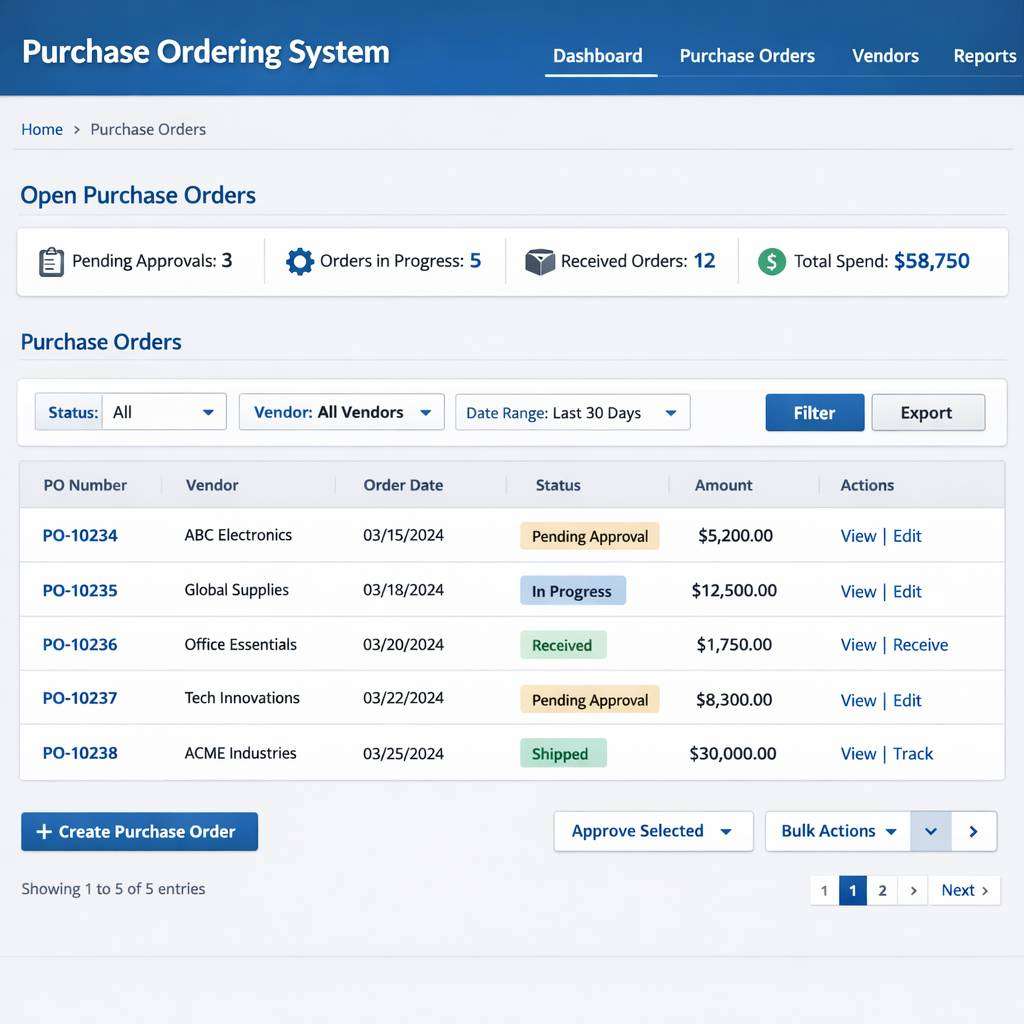
A purchase order (PO) system is a tool that automates and manages the process of requesting, authorising, and tracking purchases within a business. It provides a structured workflow—from creating purchase orders to receiving and payment—helping businesses maintain transparency, control, and compliance.
In today’s dynamic marketplace, organisations ranging from small businesses to larger enterprises rely on purchasing order software to streamline procurement operations, minimise errors, and optimise supplier relationships. For small businesses, a po system for small business often offers simplicity and cost-effectiveness, whereas larger organisations might require more advanced features such as integration with ERP systems or customised workflows.
Understanding the fundamental features of a purchase order system—including approval workflows, supplier management, real-time tracking, and reporting—is vital before making a selection.
Implementing an efficient purchase ordering system is essential for optimizing supply chain management. Discover a comprehensive solution at https://github.com/kadarmeeran465/dominos-predictive-purchase-order-system. This system enhances accuracy, reduces costs, and streamlines procurement processes, making your business more agile and responsive to market demands.
Key Factors to Consider When Choosing a Purchase Ordering Software
When evaluating potential purchase order systems, several critical factors should guide your decision-making process:
1. Business Size and Scale
Identify whether your organisation requires a basic system or a comprehensive solution. Small businesses often benefit from intuitive, easy-to-use po system software that handles core functions without unnecessary complexity. Conversely, larger organisations might need scalable, customisable features to manage high volumes of purchase orders, multiple departments, or international transactions.
For a po system for small business, look for options that are affordable, straightforward to implement, and tailored to less complex procurement processes.
2. Deployment Method: Cloud-Based vs. On-Premise
Cloud-based purchase order software has become increasingly popular due to its flexibility, accessibility, and ease of maintenance. With a cloud purchase order system, users can access their purchase orders from any location with internet access, enabling remote and decentralised procurement.
On-premise solutions, installed on company servers, may offer greater control but often require significant upfront investment, maintenance expertise, and regular updates. For most modern organisations, especially small to mid-sized ones, cloud-based purchase order software offers a cost-effective and scalable proposition.
Implementing a reliable purchase ordering system is essential for streamlining procurement processes and ensuring timely project completion. An efficient system helps reduce errors, improve inventory management, and enhance vendor relationships. By adopting a structured purchase ordering process, businesses can gain better control over expenditures and project budgets. For more insights on optimizing your purchase workflows, check out this helpful resource: https://buildertrend.com/blog/purchase-orders-in-construction/. Don’t underestimate the benefits of a well-designed purchase ordering system for your construction projects.
3. Integration and Compatibility
Evaluate whether the po system software integrates seamlessly with your existing enterprise resource planning (ERP), accounting, or inventory management systems. Effective integration reduces manual data entry, minimising errors and streamlining workflows.
If your organisation operates in the UK, consider options that are compatible with local accounting standards and regulations, often marketed as purchase order system UK.
4. Features and Functionality
Depending on your organisational needs, different features can significantly impact usability and effectiveness:
- Approval Workflows: Automated approval routes ensure compliance and eliminate delays.
- Vendor Management: Manage supplier information and purchase histories.
- Real-Time Tracking: Monitor the status of purchase orders throughout the procurement process.
- Reporting and Analytics: Generate insights into procurement spend, supplier performance, and process bottlenecks.
- Mobile Access: Ensure managers or staff can approve or create purchase orders on the go.
Choosing purchasing order software with the right features ensures efficiency gains that align with your business goals.
Evaluating Vendors and Demonstrating ROI
Once you identify your key requirements, research potential vendors carefully. Here are steps to ensure you make an informed decision:
1. Request Demonstrations and Trials
Engage vendors for live demos or trial versions to assess user-friendliness, responsiveness, and suitability. During demonstrations, explore how well the system handles typical tasks such as creating, approving, and tracking purchase orders.
2. Check Customer Support and Training
Effective onboarding and ongoing support are essential. Ask about vendor training programmes, customer support channels, and system updates.
3. Review Pricing Structures
Compare costs carefully, including licensing fees, setup costs, and ongoing maintenance. For small businesses, affordable po system software that offers a strong return on investment is crucial.
4. Calculate Potential Savings and Efficiency Gains
Estimate how much time and money your organisation could save by implementing a purchase order system. For instance, automation reduces manual errors and administrative overhead, leading to cost savings.
Targeted purchasing software for small businesses, often more straightforward and affordable, can deliver rapid ROI, making them strong options for smaller organisations.
Implementing Your Chosen Purchase Order System Effectively
After selecting the most suitable system, a structured implementation process ensures success:
- Planning and Customisation: Define your procurement workflows, approval processes, and user roles.
- Staff Training: Invest in comprehensive training to maximise adoption.
- Gradual Rollout: Consider phased deployment to identify and resolve issues early.
- Continuous Monitoring: Use system analytics to track usage, identify bottlenecks, and plan future enhancements.
By following these steps, your organisation maximises the benefits of its purchase order system, leading to more efficient purchasing processes and better supplier relationships.
Choosing the right purchase ordering system is a strategic decision that can transform your procurement processes. Whether you’re opting for a cloud-based purchase order software for a small business or an enterprise-grade po system for a major organisation, understanding your needs and evaluating options with care will lead to sustained operational improvements. Keep in mind local considerations, such as the purchase order system UK market, to ensure compliance and optimal integration.